AT A GLANCE
- Choose for the material and its existing finish as well as the type of dirt.
- Check product-specific quantities, dilution, dwell and residue-removal instructions.
- Clean equipment and any required compatibility test are part of the choice.
- Use catalogue categories to shortlist products, then read the detailed instructions.
Map the surfaces before choosing a cleaner
Treating a whole car as one material is a common starting mistake. Painted bodywork and matte trim, coated wheels and unfinished metal, or natural leather and synthetic upholstery may have different care requirements. Identify the material through the vehicle handbook and any existing treatment records. Appearance alone can be misleading, particularly on repaired panels or leather-look surfaces. Ask the application team to assess an uncertain area rather than guessing from its colour or texture.
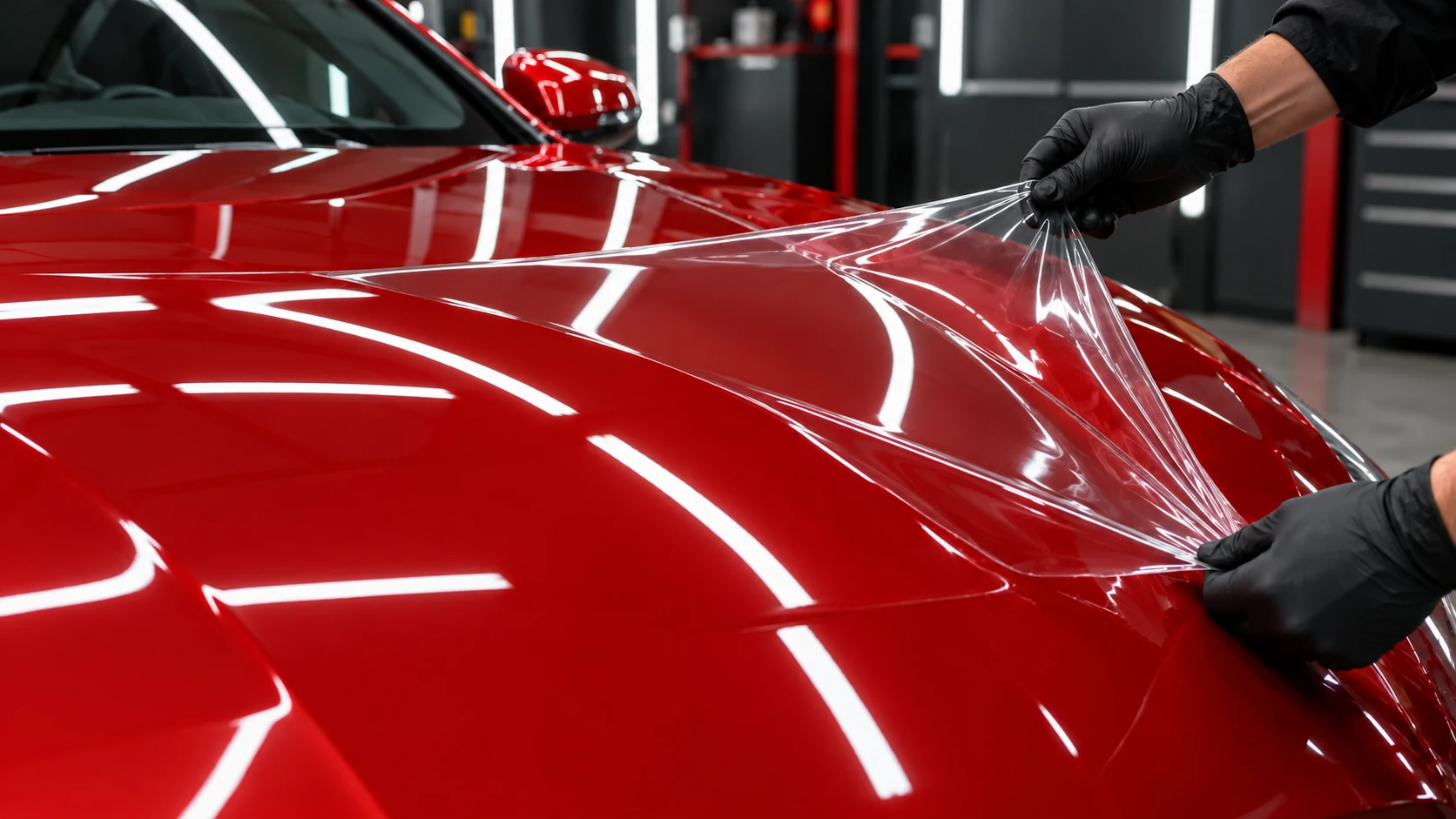
Include ceramic coatings, PPF and colour-change films in that first assessment. A cleaner intended for automotive paint is not automatically compatible with everything applied over it. Tell the team about previous protectants, repairs and treatments when asking for a recommendation. That changes the discussion from simply removing dirt to cleaning an identified finish appropriately. Keeping a short record of the surfaces and treatments on your vehicle also makes future purchases easier to compare.
Separate the contamination from the result you want
Loose road dust, oily fingerprints, dried insect residue and an old upholstery stain are different cleaning problems. Before buying, identify where the contamination sits, how long it has been present and what has already been tried. Asking only for something stronger leaves out most of the information needed for a useful choice. On a delicate finish, repeated application of an unsuitable cleaner can be less helpful than pausing for a proper assessment of what you are seeing.
Define the intended result separately. Are you carrying out a routine wash, treating a particular mark or adding protection to an already clean surface? A cleaner, an abrasive polish and a protectant serve different purposes. Do not assume a chemical cleaner can address every appearance problem. Worn material, damaged paint or permanent discolouration may need a different discussion. Adding more product does not establish whether the mark is removable contamination or an alteration to the underlying surface.
Read more than the name on the label
The category printed on the front of a bottle is only the beginning. Read the permitted uses, excluded materials, application method, working conditions and instructions for removing residue together. Multipurpose does not mean unlimited compatibility with screens, textiles or every coating. If the vehicle care instructions and product description seem inconsistent, ask the manufacturer or a competent specialist to clarify before application. A confident product name is not a substitute for understanding whether your particular use is supported.
For professional products, request the relevant technical instructions and safety data sheet where available. These documents have different roles: detailed use information and safe handling information should be read for their respective purposes. Do not replace specified conditions with a method remembered from a different brand's video. Similar names can conceal different formulations and instructions. Use current information for the product actually in your hand, and keep that information accessible when preparing equipment for the next wash.
Distinguish ready-to-use products from concentrates
A ready-to-use cleaner and a concentrate do not call for the same preparation. Confirm which you have before adding water or transferring it to application equipment. Where dilution is required, use the stated ratio and the instructions for the relevant method. Guessing quantities creates a different mixture each time. Suitable measuring equipment and a clear preparation note make the routine more repeatable, especially when several products are used at different stages of a wash or interior cleaning session.
Even one product may have separate guidance for hand application and machine use. Do not transfer a ratio between methods without checking. Storage conditions and the useful life of a prepared solution must also come from the relevant product information rather than a general rule invented for all cleaners. If a result disappoints, review the surface, contamination and method instead of increasing concentration beyond the instructions. More product cannot correct an unsuitable pairing between cleaner and material.
Make separate decisions for bodywork, wheels and tyres
When selecting a wash shampoo, consider the existing protection on the bodywork alongside the shampoo's stated uses. Prepare the working conditions, including the surface temperature and ability to rinse as directed. Check whether the product may dry on the surface and what equipment the instructions require. Foam volume alone tells you little about whether a product is appropriate for your car. Compatibility and correct use matter more than recreating the appearance of a dramatic wash video.
For wheels, identify whether the finish is painted, coated, polished or something else before choosing a cleaner. A broad reference to metal cleaning does not confirm suitability for a particular wheel. Products intended to change the appearance of tyres or exterior plastics should also stay within their permitted uses. Organise separate equipment for heavily contaminated wheels and bodywork. A shared product can be convenient where its label supports both tasks, but convenience alone does not establish that the same method suits every area.
Respect the different materials inside the cabin
A cleaner suitable for seat fabric may be unsuitable for a multimedia screen. Consult the vehicle's care information for upholstery, leather, synthetic coverings, gloss trim and electrical controls separately. Some products require a colourfastness or surface check in an inconspicuous area. Follow the specified test method rather than treating a quick wipe anywhere as proof of compatibility. Before working across an entire visible panel, establish that both the material and the chosen application method are appropriate.
Avoid responding to a stubborn mark simply by soaking more heavily or scrubbing harder. Ask about the limits of the material and method. Application around switches, screens and joins requires particular attention to where liquid goes. Afterwards, check for remaining moisture, residue or a change in texture. Wear can be mistaken for dirt, leading to unnecessary repeat cleaning. If the mark persists, pause and discuss the next step rather than assuming another dose will deliver the result you wanted.
Check compatibility on glass, film and treated finishes
Glass care involves more than recognising a transparent surface. Establish whether window film or another treatment is present, and check that the cleaner supports that use. Do not assume the inner and outer sides of a window have identical care requirements. Review the cloth, application quantity and residue before changing products. When marks interfere with a clean finish, a better match between surface and method is more useful than repeatedly adding cleaner without understanding the cause.
Appearance expectations matter particularly on matte finishes and PPF. A product selected to increase shine may be inappropriate where the intended appearance is matte. Consult the film or coating manufacturer's care information, and do not treat a generic car image on a bottle as approval for your installed system. Keep the name of the material and the handover instructions. If those details are missing, ask your centre to identify the treatment and recommend compatible maintenance options before experimenting.
Give equipment and sequence the same attention as chemistry
An appropriate product may disappoint when used with dirty or unsuitable equipment. Organise cloths by task and check them for visible dirt, hardened residue or material that could mark a delicate finish. Select brushes and applicators for the identified surface as well. Reviewing habits, such as moving from wheels to delicate interior trim with the same equipment, can improve the routine before you purchase another bottle. Clean preparation is a practical part of product selection rather than an optional finishing detail.
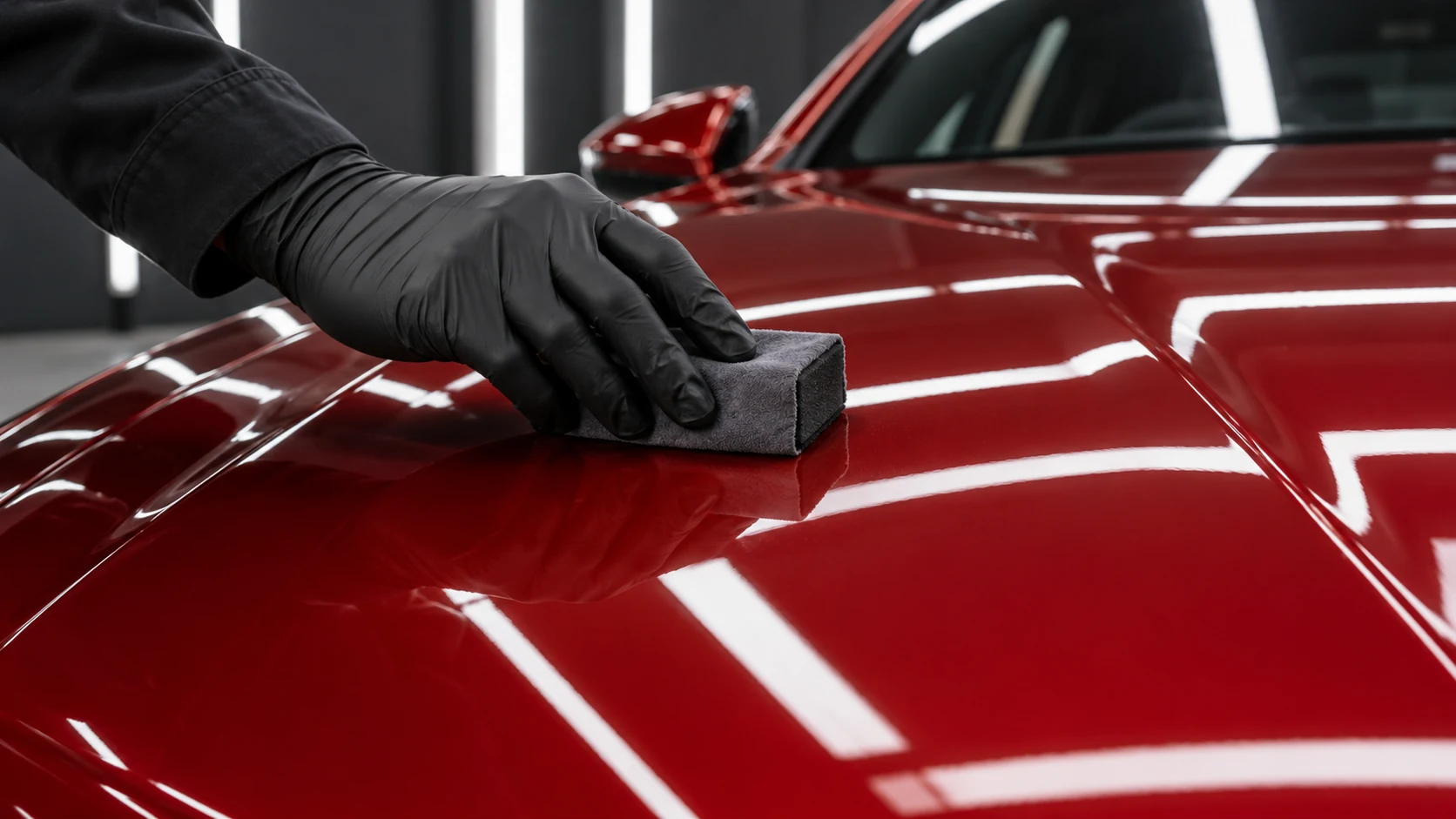
Keep the sequence understandable: identify the cleaning need, follow the relevant instructions, check residue removal and drying conditions, then consider compatible protection. Adding a glossy product over contamination does not replace cleaning. If several treatments are planned, confirm their compatibility and order. Do not mix products unless the relevant manufacturer explicitly supports that combination. Two bottles marketed for similar tasks can still have different requirements, and a homemade mixture is not a shortcut to a more complete care process.
Build a manageable routine around actual use
Start with the products already available and the tasks you actually carry out. Instead of collecting several bottles with overlapping purposes, create a clear set for the materials and contamination you regularly encounter. Accurate measurement, suitable quantities and planned application can reduce unnecessary trial and error. When considering environmental claims, look for specific product information and documented explanations rather than relying on packaging colour or an appealing phrase. A useful buying decision connects the claim to evidence for the actual product.
Terms such as environmentally friendly or healthy do not establish that every use is harmless. Follow each product's warnings, storage and disposal instructions rather than applying one assumption to an entire range. Parking conditions and everyday use also inform how often care is needed. Observe the vehicle instead of adopting a rigid routine simply because someone else washes on a particular day. The objective is an appropriate, repeatable process supported by clear information, not the largest collection or the highest chemical consumption.
Turn the CarWAX catalogue into a practical shortlist
CarWAX product categories include wash shampoos, interior cleaners, wheel and metal care, polishing products and coatings. Browse these categories with a short needs list: the surface, the contamination, any existing protection, available equipment and your application experience. This makes comparisons more meaningful than collecting names without a defined task. It also helps distinguish everyday maintenance choices from treatments you would prefer to discuss with a professional before attempting them on a valuable or delicate finish.
When unsure, share the vehicle model, a clear surface photograph and any treatment history with your CarWAX centre. Ask for the label and detailed use information rather than only a product name. Record the method and result after the first suitable application, then review the routine as the car's condition changes. Thoughtful car care product selection becomes a continuing habit: identify the surface, follow specific instructions, keep equipment appropriate and seek clarification when the available information does not support a confident decision.